
How to Draw Rocks and Pebbles in Pencil
Draw realistic rocks and pebbles: uneven shapes, planes or smooth forms, light from one side, a dark contact shadow and simple surface texture.
By Ayoub Farid · · 2 min read
Rocks are forgiving: no one knows what your rock "should" look like. That makes them great for practicing light and texture. Graphite's daily sketch starts with a smooth pebble: draw a smooth, uneven stone, shade it softly with light from the top left, and add a dark shadow where it touches the table.
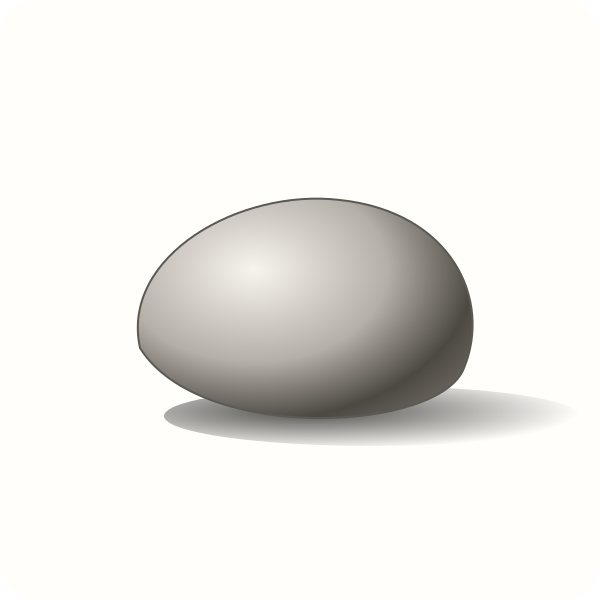
Smooth pebbles
- Shape: no pebble is a perfect oval, so let the shape wander. Flatter on the bottom.
- Shade softly: gradual tones like an egg. Soft shading makes it look smooth.
- Highlight: broad and soft on the upper left (wet pebbles get sharp highlights).
- Contact shadow: very dark where it touches the table.
Angular rocks
- Shape: a blocky outline with flat sides, like a broken cube.
- Planes: divide the rock into facets. Each plane gets one value: facing the light = light, facing away = dark.
- Edges: crisp between planes in light, softer in shadow.
- Cracks: a few dark lines with a light edge beside them (the lit lip of the crack).
Texture
- Stippling or small irregular marks for grainy stone (stippling).
- Keep texture mostly in the mid-tones.
- Add a few specks and pits, not too many.
Groups of rocks
Overlap them, vary sizes, and make sure every rock has its own cast shadow and contact shadow.
A 15-minute practice plan
- 5 min: a smooth pebble with soft shading and a dark contact shadow.
- 7 min: an angular rock, planes first, then cracks.
- 3 min: compare them side by side: which edges are hard, which are soft?
Values for an angular rock
| Plane | Value |
|---|---|
| Facing the light | Light |
| Top plane | Light-medium |
| Turning away | Medium-dark |
| Facing away | Dark |
| Cracks and pits | Darkest accents |
| Contact shadow | Darkest |
Variations
- A pile of pebbles: vary sizes and overlap them; each one needs its own small contact shadow.
- A rock half in water: the waterline is a sharp edge, with a darker, reflected rock below.
- A mossy rock: add soft, textured patches on the top planes where moss would grow.
Why rocks are great practice
Rocks combine everything: the soft gradients of a sphere, the planes of a cube, and texture. And since every rock is different, nobody can say yours is "wrong", which makes them perfect for relaxed practice.
Frequently asked questions
Why do my rocks look like potatoes?
Too smooth and round. Add some flat planes and harder edges.
How do I draw wet rocks?
Higher contrast, darker overall, and sharp bright highlights.
What pencil is best for rocks?
HB for the base, 4B for the darkest cracks and contact shadow.